
Photo credit: Ardent Mills.
As more consumers prioritize foods that support health and wellness, food brands have an opportunity to provide clearer guidance about ingredients, nutritional benefits and product claims.
Terms such as clean label, whole foods and nutrient density have become increasingly common, but consumers do not always feel confident in understanding which products or ingredients can help them meet their health goals. Research from Ardent Mills found that nearly two-thirds of consumers, or 64%, consider themselves only somewhat confident in their ability to eat healthy.
Several factors are reshaping consumer expectations, including the use of GLP-1 medications, evolving dietary guidelines and economic pressures. Consumers are eating less while placing greater emphasis on the nutritional value of each bite. At the same time, recent consumer sentiment findings reached all-time lows in June 2026, increasing the importance of products that provide perceived health and economic value.
Taste remains the top priority for consumers, but more than half prioritize several health-related attributes. These include foods that are good for their families, products made with safe practices and ingredients, better-for-you and nutrient-dense foods, and foods that provide fiber, protein or other specific wellness benefits.
Food brands can help consumers by focusing product messaging on the outcomes they want rather than relying primarily on technical descriptions of individual ingredients. Consumers may be more interested in benefits such as digestive health, heart health or reduced inflammation than in a specific amount of protein or fiber.
Consumer confidence also presents an opportunity for food brands and ingredient manufacturers. Consumers identify themselves as the primary source responsible for enabling healthy eating, but they also look to food brands and ingredient manufacturers for education. Farmers, government agencies, grocers, restaurants, social media and online educational content also play roles in providing information.
Some nutritional terms lack standardized, universally accepted definitions, creating additional opportunities for brands to clarify what products offer. Consumers generally associate concepts such as clean label, better-for-you and whole foods with fewer ingredients, recognizable ingredients and whole ingredients.
Nearly half of consumers, or 47%, are much more likely to purchase foods made with recognizable ingredients. This preference provides guidance for food manufacturers when developing formulations and determining how to communicate the attributes of finished products.
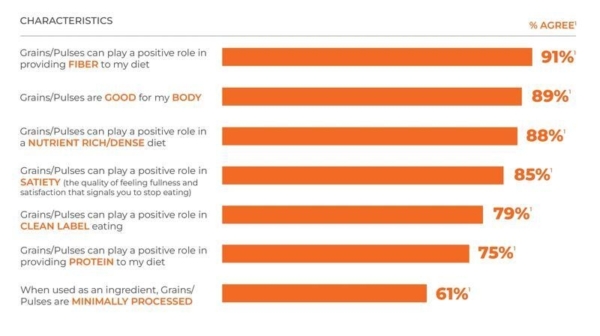
Grains and pulses are well positioned within this changing food landscape. Consumers generally view them as positive contributors to their diets. Whole grains and pulses can provide fiber while supporting clean label trends and are often perceived as minimally processed. Those characteristics give food brands opportunities to educate consumers while developing products aligned with their nutritional priorities.
Clear communication can also help food companies build consumer trust. With shoppers relying on numerous sources for information, brands have an opportunity to become more proactive in educating consumers about ingredients and nutrition. Consumers place high levels of trust in themselves, educational sources, scientists and researchers, and farmers, while food brands and ingredient manufacturers have opportunities to strengthen their position as trusted sources of information.
A consumer-focused approach can include emphasizing priorities such as digestive health, increased fiber and protein, reduced sugar and the inclusion of whole ingredients. Product claims should be clear, concise and supported by the formulation so consumers can connect them with their individual health goals.
Formulations also need to deliver nutritional benefits without sacrificing taste and texture. Ingredient expertise can help manufacturers incorporate grains, pulses and other beneficial ingredients while maintaining the sensory characteristics consumers expect.
Research indicates that 52% of U.S. consumers wish they knew more about grains and what they add to food products. This knowledge gap creates an opportunity for the milling and food industries to explain the nutritional and functional roles of grains and pulses while helping consumers make more informed choices.
As consumers seek greater nutritional value, affordability and transparency from the foods they purchase, food manufacturers and ingredient suppliers can respond through product development and education. Clear claims, recognizable ingredients and trusted nutritional benefits can help bridge the gap between consumers' desire to eat healthier and their confidence in knowing how to do so.
Source: Ardent Mills, "Consumers are prioritizing wellness but need guidance on how to achieve it"